
S1:E28 Learning to Regulate Overwhelm in Our Nervous System, As High-Performing Women in the Workplace
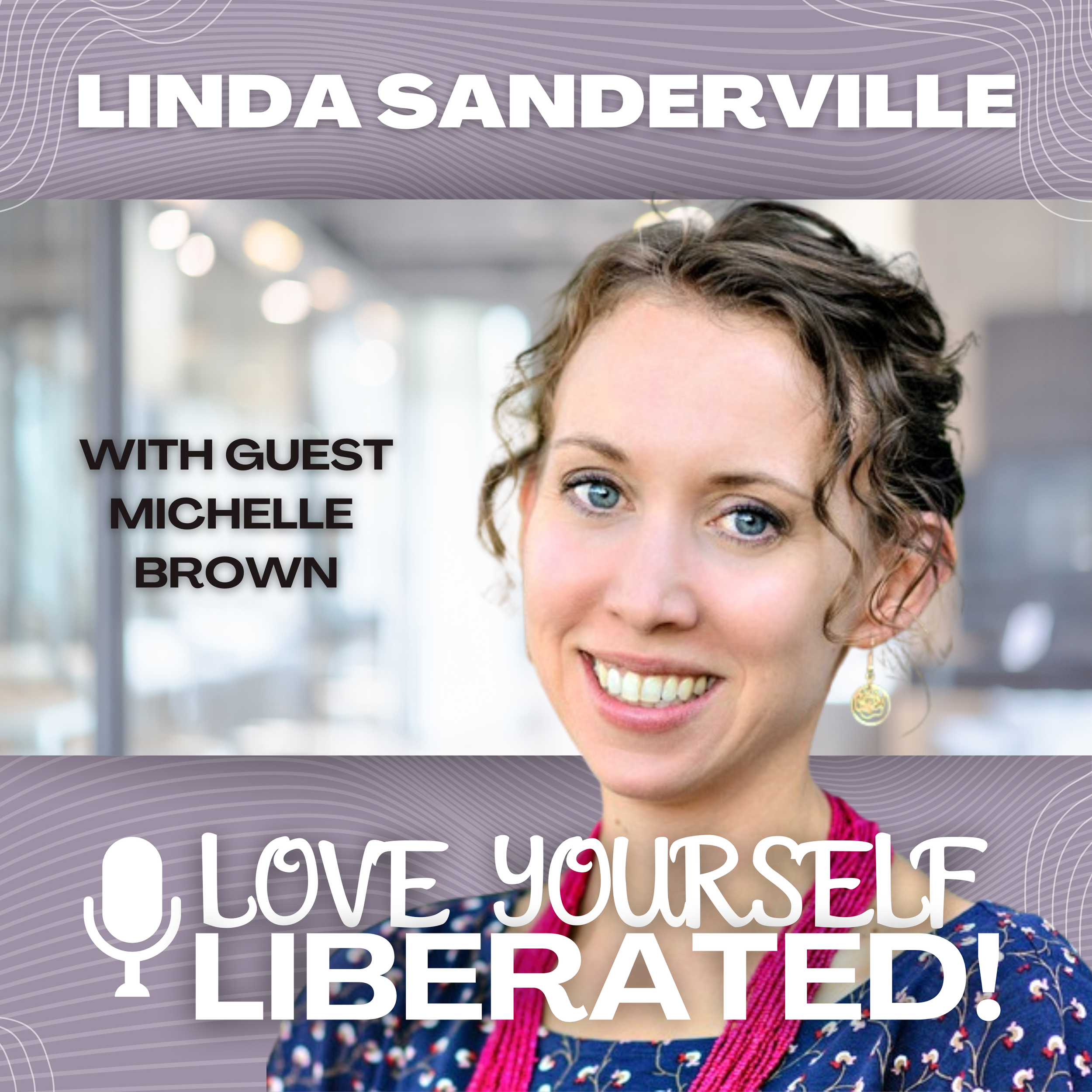
How to high-performing women learn to work with their bodies systems when it comes to managing the stress of fear and overwhelm in our decision-making? Let's dive into it, with special guest, Michelle Brown!
Michelle Brown is a Functional Nutrition and Lifestyle Practitioner and clinical herbalist and also holds a certificate as a Mastery Level Biology of Trauma Advanced Provider. She works with clients from around the world to address anxiety, depression, fatigue and other chronic health issues from a root-cause, trauma-informed perspective. This approach addresses nervous system dysregulation and emphasizes the mind-body connection that allows true healing to happen. You can connect with Michelle at www.botanacea.com.
Topics discussed today:
How does the nervous system play a role in "keeping us safe" and how can we recognize the role of the NS so we aren't stuck in fear mode but can move forward powerfully in life?
What are coping mechanisms and how do they keep us stuck in our journey towards freedom and self love? *
What are some powerful tools for resetting the NS and feeling more calm and in control of our emotions?
Warmly,
Linda
👍🏿If you enjoy the show, do me a favor and leave a review so that more people can find and benefit from the show.
SHOW NOTES
Head below for Michelle's free mood assessment.
https://botanacea.lpages.co/mood-fix-assessment/
Follow Michelle on social media:
Instagram: https://www.instagram.com/michelle_botanacea/
YouTube: https://www.youtube.com/@michelleBotanacea
💖 For comprehensive support from a licensed therapist, reach out to me through https://www.satyacounselingandyoga.com
Read below for full transcript.
Intro by Linda: Hi, I'm Linda, self-love coach and hypnotherapist who loves a good yoga class in my pajamas, listening to the belly laughs of my baby boys, and hunting down the best vegan donuts. This podcast is for ambitious and soulful women who want to feel fulfilled in all areas of their life and are ready to dive deep into the mysteries and wonders of the subconscious mind in order to achieve that. So if you are ready to be let loose from the shackles of self-sabotage and design a life of emotional freedom and everyday abundance, you are in the perfect place. Because life can get even better than you imagine, and the biggest shifts start inside of you. Welcome.
Linda: Alright, welcome back to Love Yourself Liberated. I'm Linda Sanderville, and I'm here with Michelle Brown today. She is someone who I wanted to have on because she has a wealth of knowledge. And some of the areas that can really trip us up when it comes to being able to show up fully in our lives and feel really powerful and grounded and calm. And she has a lot to share with us about that. So a little background about Michelle. She's a functional nutrition and lifestyle practitioner. She's also a clinical herbalist and she holds a certificate as a mastery level Biology of Trauma advanced provider. Very cool things here. So she works with clients from around the world to address anxiety, depression, fatigue, and other chronic health issues. And she does this from a root cause trauma-informed perspective. So this approach really addresses the nervous system dysregulation, and emphasizes the mind-body connection that allows for true healing to happen. I'll have links for ways that you can connect with Michelle at the bottom in our show notes. But Michelle, we're so happy to have you here with us.
Michelle: Thank you. I'm so excited to be here, Linda.
Linda: So one way I like to have guests come in is to actually have them talk a little bit about one decision they've made for themselves in the past six months that has allowed them to feel like they are living a liberated life. So could you just introduce yourself and share a little bit about what that decision would be for you?
Michelle: That's a great question. In thinking about that question, the biggest thing that comes up for me is just thinking about this desire that I have to really help women with their health. I'm someone who struggled with my own health journey. I have Hashimoto's and through that journey, that's part of what got me into the work that I'm doing, supporting women with their health, their mood. And so in the last six months, I've really wanted to just be able to reach more women with this message and really get that out there because I see so many women struggling and not recognizing this root cause of the nervous system dysregulation. So in the last six months, just working on growing my business really, but just helping more women. And, you know, it hasn't always been easy, like trying to kind of figure that out. But that's been something that's been a really exciting journey, even though there's been some ups and downs to it. And just being able to see, you know, when I get that, I'm sure you, you know, Linda, when you get that email from someone that you helped or you worked with personally or you just send an email out and they read something that really helped them move forward in even some small way. It's really exciting. So I really love what I do. And I'm so grateful that I get this opportunity to share this work with the world and continue getting my message out there.
Linda: That's so exciting. Michelle, thank you for sharing about that journey and what that has looked like over the past six months for you. Because I think there's going to be a lot of things just in what you even just shared that so many of the listeners will be able to relate to. This podcast is definitely focused on women who are very intent on their careers and having success in the paths that they've chosen for themselves, whether that's their own business or in corporate. So hearing you talk about like taking these uncomfortable steps, right?
Michelle: Yeah, absolutely. But in order to, right? But in order to like follow your passion, I feel like that's just really relatable. And grow up in a home where that was really like talked about or something that my family really did. I mean, my parents are hard workers, but, you know, they just kind of took that traditional job path. And, you know, I think for me, it's been really exciting to take kind of a different approach than the way that I grew up and seeing how you don't have to always just play it safe. And, you know, sometimes we stay stuck in a place we don't want to be when we try to play it safe. So maybe we can dive into that a little bit as we talk about the nervous system as well. But sometimes getting past that fear, we get into some really exciting new places in life.
Linda: Yeah, yeah. I relate a lot to what you're talking about, by the way, because my parents also, like hard workers. They showed me what it was like to like put in your blood, sweat, your time, and really it costs them a lot. And, you know, me doing life a very different way myself, it's like, okay, like I'm kind of learning it as I go along. But there's so much like available on this new path that it keeps me motivated, right? I'm sure it keeps you motivated.
Michelle: Definitely.
Linda: We have this message burning in us that we want to get out there. And again, there's so much joy that comes from being able to share that and see how it's impacting other people's lives. So just really grateful for the opportunity. So how do you, as someone who has such a deep trauma-informed perspective yourself, and you also are navigating your own health journey and where you've been able to get to at this point with it, with those different lenses, like how do you approach these uncomfortable periods and taking these healthy risks, right, but still risks and uncomfortable steps? How do you manage that?
Michelle: Well, you know, I think it's understanding this role of the nervous system that has been really powerful in my own journey. And for so many of my clients, I feel like we're hearing more about this nervous system response and trauma today in general population and what we're talking about as a society. I'm so grateful that that opportunity, that conversation is coming up because we're starting to recognize that so much of what keeps us stuck, keeps us in a fear mode, is really this place of a nervous system response that is trying to keep us safe. And when we feel fear, of course, we're going to respond in a way that says, how can I shift out of this place of being afraid and keep myself safe?
And so just recognizing the state of your nervous system and that your nervous system is trying, you know, it's a friend, right? Like it's helping you, but it's also kind of like this thing that's holding you back too if you don't know how to work with your nervous system because it wants you to be safe so it might say don't take that risk, right, don't take that chance or opportunity because it might not turn out the way you want it to. But when we understand how our nervous system, you know, reacts to the things that are going on around us and how it's wired, then we can, you know, start to work with that and bring in the safety and support our nervous system needs and help us to make decisions that we can move forward in life in the way we want to without things like fear or just overwhelm keeping us in that place of feeling stuck and afraid to move forward.
Linda: So I love how you said like the nervous system is both something that can hold you back. And yet it's also your friend. And it's all like around this idea of safety. Could you explain a little bit more about that for folks who are like, this is kind of a new concept for them?
Michelle: Yes, absolutely. You know, I feel like, again, I'm so grateful we're having this conversation about the nervous system, because really, our nervous system controls everything when it comes to our health, our decisions. And again, its job is really to keep us safe. And so, you know, even today I had a session with a client who was telling me, you know, like she recognizes a lot of gut health issues for herself and her life and how those are showing up. And she's working with a naturopath to address some of these gut health issues. But she said, I really recognize as I've started doing this nervous system work that really these gut issues are a response of my nervous system, right? When I feel anxious or overwhelmed, it's showing up in a very visceral way in the gut, and that's very common.
And so our nervous system, ideally, that place we all like to be is in that parasympathetic response, right, of our nervous system where, you know, I like to call it that calm and alert state where we feel, you know, comfortable, we feel safe, we feel able to move forward and engaged in life. But so many women are bouncing around between that sympathetic state of the nervous system, which we often call that fight or flight response where we're stressed out. We are in that place of overwhelm or we're bouncing into what's called the freeze state that many women are not even really aware of at this point. But that is really also known as the trauma response where our ability to, you know, kind of move past the stress and engage fully with life is just overwhelmed. It's too much. And we go into a functional freeze. Like it's just we kind of shut down.
Michelle: If you've ever had a day where like you, if you're, if let's use a woman, for example, who has a career. You know, she works in an office. She goes to work. She has a lot of responsibilities. She's showing up. She's getting that work done, right. She has that pressure on her. And then she gets home at the end of that day and she just kind of crashes on the couch. Right. That's what I call that functional freeze state. Like, right. Like now that I'm home, I can let this go. I can quit holding up this weight of all this stress and, you know, responsibilities and overwhelm. I just don't have the energy to engage fully in life anymore. And that's really kind of a typical pattern that I see in a lot of the women that I work with.
And so just recognizing that, right, how can we work with the nervous system so we're in more of that place of being calm, alert, able to engage fully in life, but not overwhelmed by the stress in our life and able to bring in some tools and mechanisms to help us stay in more of a place of feeling safe and supported in our nervous system so that we're not bouncing around between these different states and feeling, you know, a lot of times stuck and overwhelmed and stressed. These are a lot of the words that women use that I can tell where their nervous system is at because these are identifying that they're not in a state of being calm and alert and feeling good, but they are really feeling overwhelmed and probably bouncing between that sympathetic and freeze state. It's really hard on the body. It's really hard on our ability to move forward and do the things we want to do in life. So recognizing, first of all, what's happening in your nervous system and then having some tools to shift that can be really powerful.
Linda: You know, what you're describing, like you say, it's so common. And I often wonder, you know, as I'm also talking with clients or talking with just, you know, my general audience online, if they realize that they have the option to feel differently, right. It's kind of like, I don't know if folks realize that they can feel differently. Like this isn't the norm really like for our bodies. Right. So I'm just curious, like how you talk with folks about that. Who may just doubt that it's even possible to feel anything else.
Michelle: Yeah. You know, it's funny though. Like it isn't the norm for our body, but it is the norm for our society. Right. In just the sense that the normal kind of quote-unquote "normal" way of engaging in life in our society is that, you know, you have a job, you go to work for 40 hours a week. You know, especially as women, we have all these responsibilities. We have children, families. We have to keep our houses clean and have the nice cars and houses. And there's a lot of stress and pressure to keep up and to do all of the things.
And so, you know, when we recognize that, first of all, this is kind of a part of our society that is out of balance in the way that we just show up in life. And then you have to make that decision that you are going to, you know, maybe disengage from that in some ways. You know, of course, we can't all go, you know, live on a mountain and find a cave and meditate all day as nice as that might be. But how can we move through our day in a way that we're staying regulated, we're aware of what's happening in our nervous system and we're thinking through the patterns that for many women have played a role in keeping them stuck? And these are nervous system patterns like people-pleasing, for example. You know, we do that in order to feel safe, right? As we were growing up, maybe when we did the things our parents expected us to do, we got praise, we got attention. And if we didn't, right, we might have gotten in trouble or yelled at. Just do what we were expected to do, to show up, to be the good girl and get that praise. That was part of being safe in society and in our family and in our world.
Michelle: And so as we start to explore this, sometimes we can recognize there are certain nervous system patterns that are playing a role in keeping us stuck. And I also look at how just our nervous system biology is playing a role in that as well. A lot of my clients have nutrient imbalances or particular biochemical imbalances that make them more susceptible to some of these nervous system states of dysregulation. So as an example, some of my clients who struggle with eating disorders, as we look at that more closely, they're low in certain neurotransmitters like serotonin. They may be undermethylators. We can unpack that term if you want to. But there's this biology piece there where it's really hard to stay in this place of feeling safe in your body and regulated when your body basically doesn't have the resources that it needs to do that. And you don't have the, you know, what I'll say are skills and the tools to help you do that either, right?
So I work on it from this approach of, you know, kind of what I call bottom-up approach, working with the body so we know how to feel what's happening in our body. A lot of women don't even really know how to feel what they're feeling. Then I work on the top-down. So I'm looking at not just thoughts, but also nutrition, brain inflammation. Are these things playing a role in this dysregulated state that so many women are stuck in? And then they end up reaching for maybe coping mechanisms or they have an eating disorder that's playing a role in helping to try to regulate that dysregulated nervous system.
Linda: Thank you for bringing in these examples that are so common for women in our society and showing that relationship to the nervous system. I think a lot of us are aware that these struggles exist, but the way you're describing it as far as like, okay, this links to this feeling of lack of safety or not being grounded, right? Or having this like, how people-pleasing is actually a nervous system, you know, a function or coping mechanism. That's a very different way of thinking about these things. And I think it's going to spark a lot of thoughts for those who are listening around like, oh, wow, like, is that a part of the missing piece that I haven't understood about myself that's made me feel kind of lost in my own body or my own functioning, right? Because it's so disconnecting when you, you can't put your finger on it, right? I think even with Hashimoto's, there can be a lot of that sort of flavor. You can't put your finger on it. You just know something's wrong, but it just feels a little out of control.
Michelle: Absolutely. You know, there is a strong link between autoimmune conditions like Hashimoto's and these nervous system patterns of, you know, people-pleasing and, you know, not speaking our truth, for example. And so again, just looking at that nervous system piece and recognizing that, because a lot of people might recognize that they have people-pleasing tendencies, for example, but because they don't recognize the role the nervous system is playing in that, they may have trouble shifting that pattern because they don't recognize how it's playing a role in keeping them safe, how it's been a pattern for probably a very long time from early life, and that they need to work on regulating their nervous system first in order to shift some of these patterns that are showing up.
Linda: So true. It's like really going deep. Because if you just sort of stay on that surface level and think, oh, I should say no more. And I should have a stronger voice when I, you know, speaking up for myself. If your nervous system is still feeling like, oh, no, there's danger, danger, danger, then that surface level attempt to change your behaviors is like only going to go so far.
Michelle: Mm hmm. And it's noticing what's happening in your body. When we're talking about the nervous system, we're feeling these things in our body. So when, you know, we use that example of people-pleasing, if you're standing up to maybe, you know, a parent later on in life, that you've always kind of done what was expected of you, you know, just the thought of now I'm going to say no, or and I've always said, you know, yes to whatever they expected of me. You know, we feel that in our body. So maybe you'll feel kind of this tension and pressure in the chest. I was going to put my hands there on the chest and that feeling of pushing in and it can be very uncomfortable. Or some people notice their tension in the back of the neck or shoulders, right? There's bracing patterns that show up. It's very uncomfortable.
A lot of times we don't even recognize these patterns until we start to tune into them. But as we start to recognize what's happening in the body, then we can start working with that. We can bring in some safety for the body, some support that it needs, and other tools that we have to shift that state of the nervous system. But it can be really powerful just to start there. Just ask, what's happening in my body? What am I noticing? When someone says, I feel anxious, or I feel overwhelmed, or I'm afraid. That's not just a thought. It's something that's happening in your body. And you can actually start to notice these different places that these emotions are showing up in your body.
Michelle: And I can give you a quick example of, you know, working back several years ago with going through a divorce and I ended up in the kitchen kind of eating late at night after I put my kids to bed and recognizing, you know, I wasn't really hungry, truly hungry. But it took me some time to recognize that, you know, for a true hunger, we feel that in our belly, for example, right? We've missed lunch and we start to feel that tummy growl. We recognize what true hunger is. But what I recognized as I started working with feeling my emotions was that was not what I was feeling at all. I was feeling this pressure on my chest, that just that weight of anxiety that was sitting there. And I was reaching for food in order to calm that because, you know, food is very regulating. A lot of women reach for food. And I just want to acknowledge that that's really a normal behavior as a human.
So I just want to kind of normalize that, you know, there's a lot of shame around, you know, overeating, binge eating, eating disorders, but we reach for these things because they help us to regulate our nervous system. And food is a really common one. For some people it's caffeine and sugar to kind of hype up their nervous system, or you know, alcohol, these different coping mechanisms that we bring in in order to regulate the nervous system. So once we recognize the state of our nervous system, we can start to work with different tools to help bring ourselves back into that place of being calm, alert, feeling more in our body and aware of what's happening.
Linda: Thank you for normalizing that. You know, I always, as a psychotherapist, I always think about these sort of coping mechanisms that we use, whether it's overeating, like you said, or alcohol, whatever it is for, you know, for an individual. I think of it as our attempts to be skillful, right? Like we're attempting to take care of ourselves in some way, even if it's not what we would prefer, or maybe it's not the healthiest for us, right? Maybe it needs to be changed. But seeing it first as a skillful attempt to care for ourselves, to kind of, you know, manage those difficult emotions. Like we are doing our best. And for most women, at least the women that I work with, like once they know what those better tools are that are going to be healthier for them, more sustainable, they're very willing to do those things instead. But it's just until we have the right information, it can be very difficult to make those choices that are really more optimal for us.
Michelle: Well, we, you know, again, just thinking of our society, these are the coping mechanisms that we've been taught, right? You know, people drink, they reach for food, right? They spend money when they shouldn't be. These are really typical behaviors in our society that are even a lot of times kind of promoted or, you know, given the spotlight as being a good thing, right? Like we see on commercials of people, you know, drinking alcohol and just having a good time. And it's like this idea of, you know, just drink and you'll feel better, right? And, you know, I'm not saying that you necessarily have to give up all alcohol, but if we're using it as a coping mechanism to regulate our nervous system, right? That's where it really becomes a problem. And there are so many other kind of unhealthy coping mechanisms that are modeled in our society. So it really takes some practice and time to learn some of these new tools and ways of resetting your nervous system and then learning how to remember to bring those in and be consistent with them. But over time, we can really see that shift.
Linda: Yeah, yeah. I'm curious if you can kind of bring it home for us in terms of having a liberated life and feeling that freedom as a woman after feeling overwhelmed or burnt out for so long. Can you bring home for us the importance of understanding and working with the nervous system in order to have that kind of feeling and that kind of experience in our day-to-day lives?
Michelle: Absolutely. So when I'm thinking of working with the nervous system, I always start there with my clients, whether I'm working with a woman who has Hashimoto's or an autoimmune disorder or gut issues, because so much of it is regulated by what's happening in our nervous system. So just starting to recognize that, maybe asking yourself throughout your day, what am I feeling in my body right now? What state is my nervous system in? And just noticing that. And you don't necessarily even have to try to shift it. But just noticing what's happening in your body can be really powerful.
And then, you know, that's where you get the opportunity as you begin to bring in that awareness to decide when you're ready and how you want to shift that, and bringing in some of these tools that we have to do that. You know, thinking of somatic work, like mind-body practices is what I like to refer to them as, just nutrition and nature and movement, herbs can be really regulating. So these are some of the tools that I like to use to just bring in throughout my day. We can weave these in in really small ways. And you know, just even getting up from my desk every once in a while and going down, I go down to my basement, I jump on my little rebounder trampoline for a few minutes just to kind of get the blood flowing, get some movement in, kind of wake up my body. Sometimes that can be really helpful in just kind of keeping my energy stable throughout the day.
Michelle: Other days, it's more of can I sit on my couch and warm up my weighted wrap and just kind of bring in some safety and support. As you notice the state of your nervous system, you'll really start to recognize what's regulating for you and bringing in more of those tools. And just notice as you do that, how your nervous system starts to shift. But again, for some of my clients, they do have some biochemical imbalances, maybe they have a copper excess or low neurotransmitter function. And so working on that biology side can be really powerful for a lot of these women as well.
So I would just mention that if you feel like you're a person who really struggles with regulating your mood and emotions and your nervous system, that might be something to explore further. And, you know, I have a free guide on how to assess your low neurotransmitter function that can be a good place to start as well. So I'll definitely share that with your audience, Linda. But those are some of the top things that I'm thinking of as just really simple ways you can start working with and regulating your nervous system.
Linda: So these are all very accessible ways that people can start to feel that sense of freedom and more control when it might feel like it's been out of control or they don't know how to manage some of these symptoms that they've been feeling and struggling with for some time. So Michelle, thank you for offering that guide. Please share with our listeners where they can find you if they want to learn more or they're like, okay, I need to work with this woman. Where can they find you and what do you offer?
Michelle: Yeah, so you can find me online at botanacea.com. That's B-O-T-A-N-A-C-E-A. And you can reach out to me if you need support with working with the nervous system. I help women reset their nervous system biology. So that is looking at some of the biochemical imbalances that are really typical in women who are consistently struggling with their mood and energy and, you know, bring in some neurotransmitter support as well as a place to start. So I would love to hear from you. I'd love to hear as well if this was helpful. So definitely reach out to me online and I'd love to connect.
Linda: Great. Thank you so much. Well, I will include all those links again in the show notes. So be sure to go and find Michelle Brown and reach out to her. She is incredibly knowledgeable in the work that she does. And you will be in good hands. So thank you again, Michelle. Such a pleasure having you on today.
Michelle: Thank you. It's a pleasure to be here.
Outro by Linda: You hung with me to the end, my shero. If you benefited from this episode, please say thanks by leaving a wonderful review. It helps me know what's helping you the most and allows more like-minded women to find and learn from this podcast. We don't want to keep all the good stuff for ourselves. See you next time.
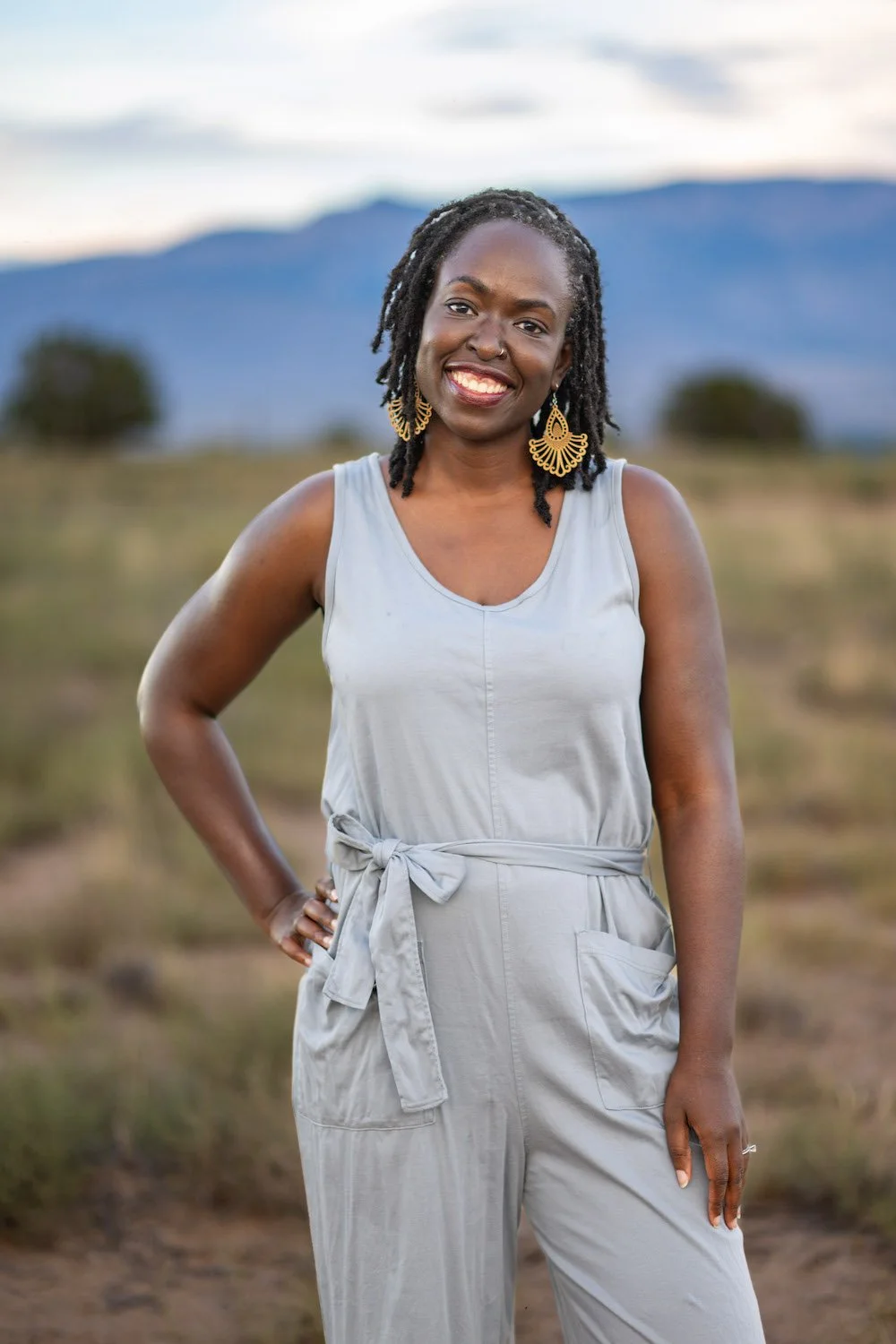
Meet Your Host!
Linda Sanderville, LCSW, RYT-200 is the founder of Satya Counseling & Yoga LLC. She specializes in concierge therapy for female founders and public figures, helping high-profile women navigate public scandal, executive burnout, and the values that will define the second half of life. Based in Albuquerque and serving clients virtually in DC, Maryland, Virginia, and beyond, Linda combines clinical expertise with somatic wisdom to help leaders reclaim their truth.
Interested in Working with a Corporate Wellness Therapist in Fairfax VA, Bethesda MD or Washington D.C.?
Is the inability to rest or slow down leading to burnout in your professional and personal life? Reclaim your joy and vitality while managing your professional commitments through holistic and evidence based counseling. Our specialized support at Satya Counseling & Yoga is designed to fit seamlessly into your busy life, empowering you to conquer trauma-based responses and thrive. Prioritize your mental well-being – embark on a transformative journey towards a happier and more fulfilling life by following these three steps to get started:
Schedule a complimentary 15-minute call to see if we’ll be the right fit.
Begin meeting with me, therapist and trauma-informed yoga teacher, Linda Sanderville, to rediscover your healthy, authentic self.
Start moving forward in your personal and professional life in a positive and healthy way!